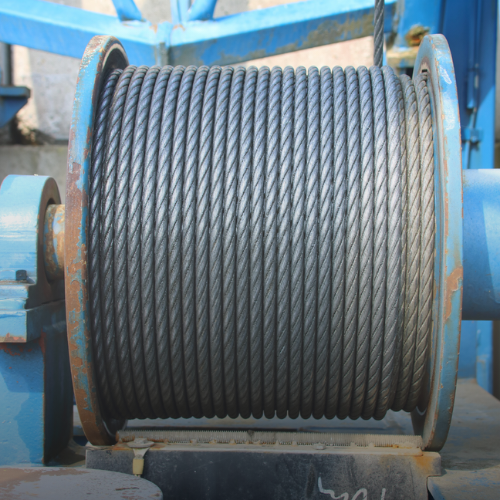
For years, “imported” carried an assumption of better quality in industrial buying decisions. With wire rope, that assumption is worth re-examining —...

A wire rope is only as strong as its weakest point — and more often than not, that weak point isn’t the...
In the wire rope business, a myth doesn’t just mislead a buyer — it can fail mid-lift. Some of the most common...

Order the wrong lay direction, and a wire rope can work fine for weeks — then start unwinding itself off the drum...

Every wire rope has two numbers that matter more than any other on its data sheet: how much it can theoretically hold...
Ask two engineers which wire rope to use for a crane, and you’ll likely hear a string of numbers back — 6×19...
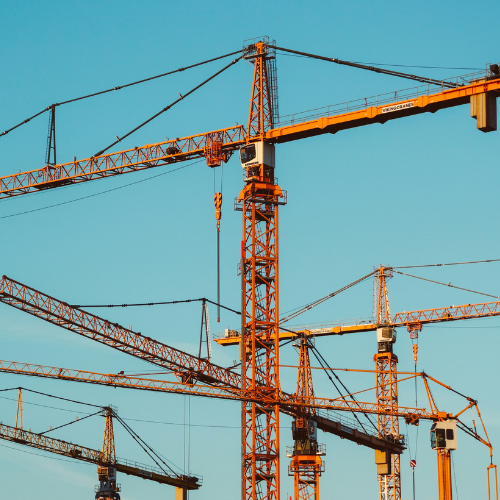
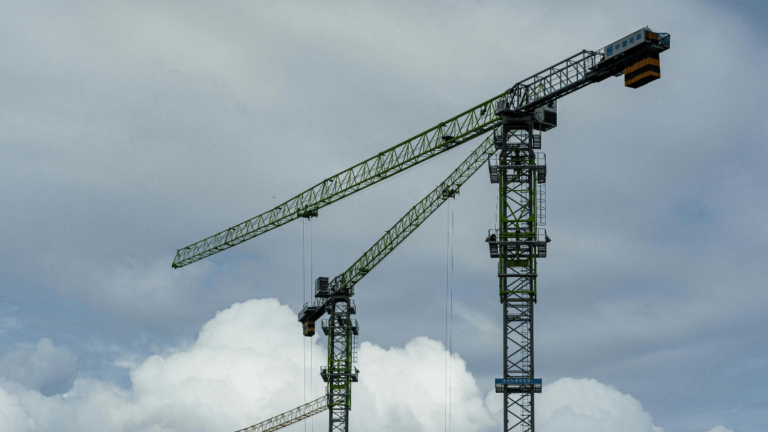
As cities continue to grow upward, high-rise buildings have become an essential part of modern urban development. Residential towers, commercial complexes, hotels...
Mining is one of the most demanding industries in the world, requiring robust equipment capable of operating under extreme conditions. Whether extracting...

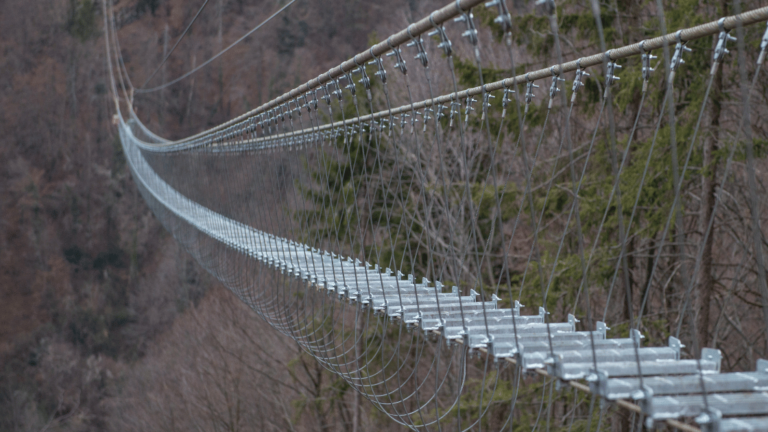
Transportation infrastructure plays a critical role in economic development, social connectivity, tourism growth, and access to essential services. However, building roads, railways...