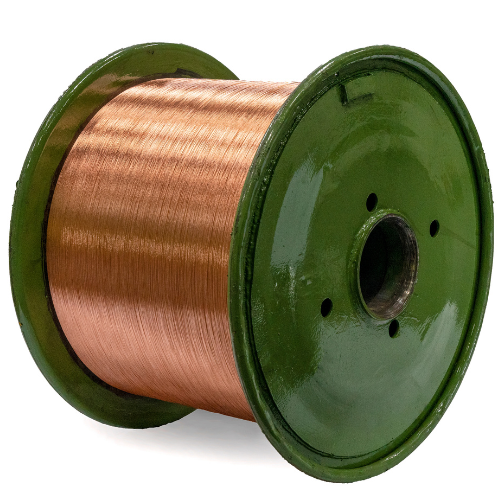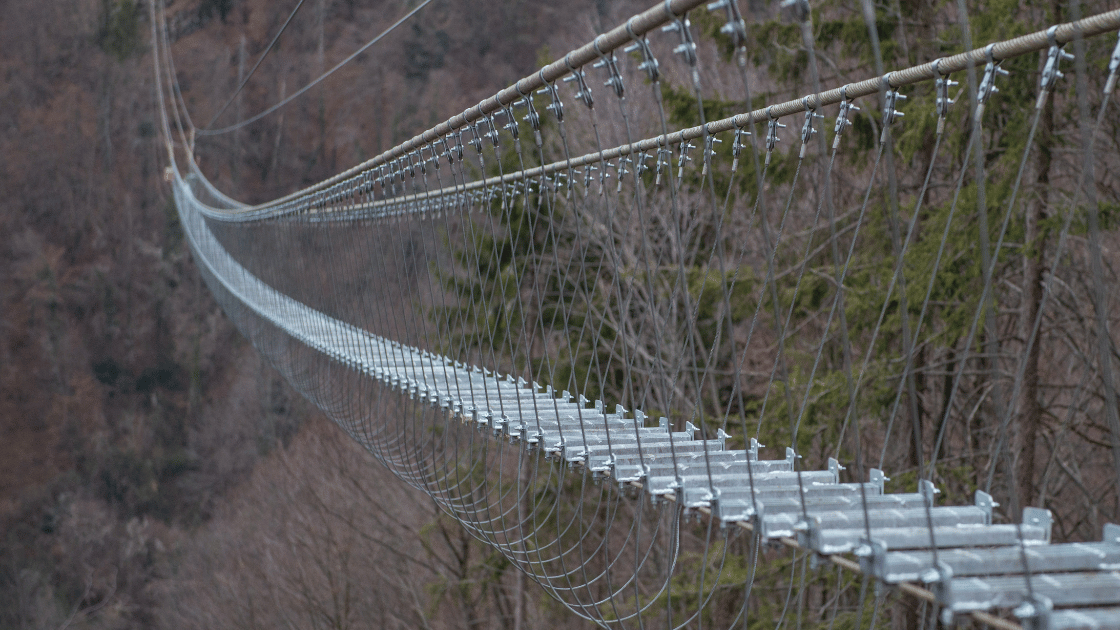
As cities continue to grow upward, high-rise buildings have become an essential part of modern urban development. Residential towers, commercial complexes, hotels, hospitals, and mixed-use developments rely heavily on elevators to move people and goods efficiently between floors. While elevator cabins, control systems, and motors often receive attention, one critical component works behind the scenes to ensure safe and reliable operation: the wire rope.
Wire ropes form the backbone of modern elevator systems. They support elevator cars, balance loads, transmit motion, and provide the strength needed to move passengers safely over long vertical distances. Without high-quality wire ropes, vertical transportation in skyscrapers and high-rise buildings would not be possible.
Choosing products from a trusted manufacturer of wire ropes in India is therefore critical for elevator manufacturers, building developers, architects, and facility managers. Bedmutha Industries has developed specialized wire rope solutions designed to meet the demanding requirements of modern elevator systems. Explore our complete range of Wire Rope Solutions and Our Products to discover how our products support critical industries across India and global markets.
The Importance of Vertical Transportation in Modern Buildings
Modern buildings are becoming taller than ever before. In major cities, residential towers often exceed 30 floors, while commercial skyscrapers may rise well above 50 or even 100 stories.
Without elevators, these buildings would be impractical for everyday use. Elevators provide:
- Fast and convenient transportation
- Accessibility for all occupants
- Efficient movement of goods
- Improved building functionality
- Enhanced occupant comfort
At the center of every traction elevator system lies the wire rope. Its performance directly impacts safety, reliability, and passenger experience.
This is why developers prefer solutions from a reputable manufacturer of wire ropes in India with proven engineering expertise and quality assurance systems.
Understanding Elevator Wire Ropes
Elevator wire ropes are specially designed steel ropes used in traction elevator systems. They connect the elevator car to the counterweight and move over traction sheaves powered by the elevator motor.
Unlike general-purpose ropes, elevator ropes are engineered to provide:
- High tensile strength
- Exceptional flexibility
- Superior fatigue resistance
- Consistent traction performance
- Long service life
- Reliable safety performance
These characteristics allow ropes to withstand thousands of operating cycles every month while maintaining smooth and safe elevator operation.
Learn more about specialized applications through our Elevator Wire Rope Solutions.


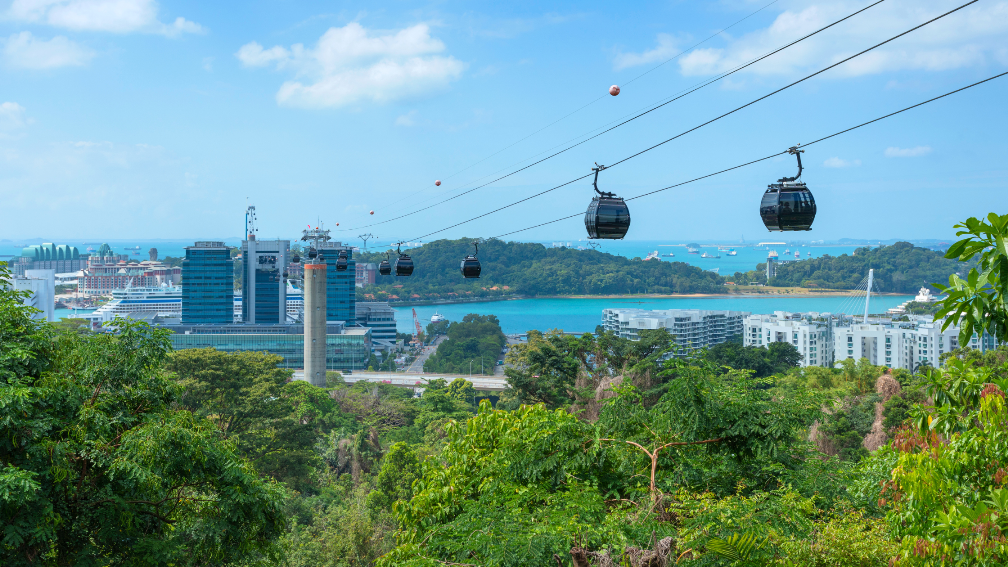
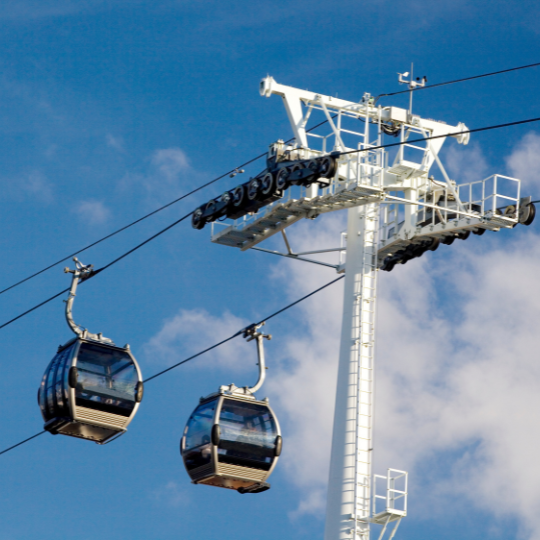
How Elevator Wire Ropes Work
Supporting the Elevator Car
The primary role of the wire rope is to support the weight of the elevator car and its occupants.
Most elevator systems use multiple ropes to distribute the load evenly. This design provides redundancy and improves safety.
The ropes are engineered with substantial safety factors, allowing them to handle loads significantly higher than normal operating conditions.
Connecting the Counterweight
Wire ropes connect the elevator car to a counterweight system.
The counterweight balances the elevator car, reducing the amount of energy required to move the system.
Benefits include:
- Lower energy consumption
- Reduced motor stress
- Improved efficiency
- Longer equipment life
Transmitting Motion
As the traction sheave rotates, friction between the rope and the sheave moves the elevator car upward or downward.
This simple yet highly effective mechanism enables smooth and precise vertical transportation.
Why High-Rise Buildings Require Advanced Wire Rope Technology
As buildings become taller, elevator systems face greater challenges.
Increased Rope Length
Tall buildings require longer ropes, which increases overall rope weight.
Manufacturers must design ropes that maintain performance despite increased load requirements.
Higher Elevator Speeds
Modern high-rise elevators operate at significantly higher speeds than conventional systems.
Higher speeds generate:
- Greater dynamic forces
- Increased fatigue cycles
- Higher performance demands
Continuous Operation
Elevators in commercial buildings often operate throughout the day, transporting thousands of passengers.
This constant operation requires ropes capable of delivering reliable long-term performance.
As one of the leading steel wire rope manufacturers in India, Bedmutha develops solutions engineered to withstand these demanding conditions.
Construction of Elevator Wire Ropes
The performance of an elevator rope depends heavily on its construction.
Individual Steel Wires
High-strength steel wires form the basic building blocks of the rope.
These wires are manufactured to precise specifications to ensure strength and durability.
Strands
Multiple wires are twisted together to create strands.
The arrangement of strands influences:
- Flexibility
- Fatigue resistance
- Wear performance
Core
The strands are wrapped around a central core that provides structural support.
Common core types include:
- Sisal cores
- Steel cores
Lubrication
Proper lubrication minimizes friction between wires and strands.
Benefits include:
- Reduced wear
- Improved flexibility
- Longer service life
- Enhanced corrosion protection
This advanced construction is one reason why quality-focused steel wire rope manufacturers in India invest heavily in engineering and manufacturing technologies.
Safety Features of Elevator Wire Ropes
Safety remains the most important consideration in elevator design.
High Safety Factors
Elevator ropes are designed with safety margins significantly above normal operating loads.
Multiple Rope Systems
Most elevators use multiple ropes to provide redundancy and additional safety.
Fatigue Resistance
Continuous bending over sheaves creates fatigue stress.
Modern rope designs improve fatigue resistance and extend service life.
Wear Resistance
Specialized constructions help minimize internal and external wear.
Corrosion Protection
Many applications benefit from enhanced corrosion resistance, particularly in humid environments.
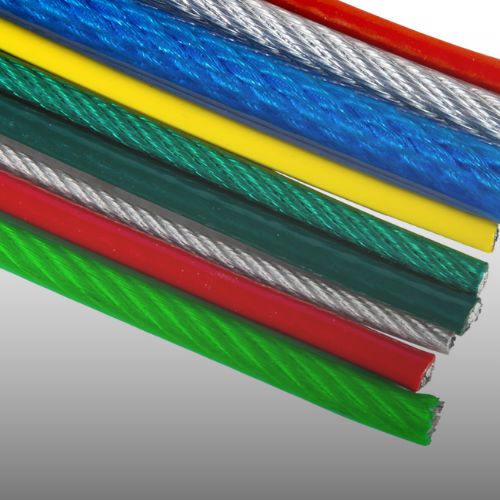
For specialized coated products, explore PVC & HDPE Coated Wire Ropes.
Why Wire Rope Quality Matters
Not all wire ropes offer the same level of performance.
Poor-quality ropes may result in:
- Increased maintenance costs
- Reduced elevator efficiency
- Shorter service life
- Higher replacement frequency
- Potential safety concerns
High-quality ropes provide:
- Reliable performance
- Smooth operation
- Reduced downtime
- Improved passenger comfort
- Enhanced safety
This is why developers choose products from trusted steel wire rope manufacturers in India with proven manufacturing capabilities and rigorous quality systems.
Quality Assurance and Testing
The reliability of an elevator rope depends on comprehensive testing and quality control.
Bedmutha follows strict quality procedures throughout the manufacturing process.
Learn more about our Quality Assurance System.
Testing typically includes:
- Tensile strength testing
- Fatigue testing
- Dimensional verification
- Material analysis
- Performance validation
Customers can also review our Certificates & Approvals to understand our commitment to quality and compliance.
As a leading manufacturer of wire ropes in India, Bedmutha prioritizes product reliability and safety across every application.
Maintenance and Inspection of Elevator Wire Ropes
Regular inspection is essential for maintaining elevator safety.
Visual Inspection
Technicians should routinely inspect ropes for:
- Broken wires
- Surface wear
- Corrosion
- Mechanical damage
Diameter Monitoring
Reduction in rope diameter may indicate internal deterioration.
Lubrication Checks
Proper lubrication helps minimize friction and extend service life.
Tension Verification
Equal tension across all ropes ensures balanced operation and reduces wear.
Routine maintenance helps maximize rope life and maintain safe elevator performance.
Future Innovations in Elevator Wire Rope Technology
Elevator technology continues to evolve alongside modern building design.
Emerging innovations include:
Smart Monitoring Systems
Sensors can monitor rope condition in real time.
Advanced Materials
New steel formulations improve strength and fatigue resistance.
Predictive Maintenance
Digital monitoring systems help identify potential issues before failures occur.
Lightweight Rope Solutions
Advanced materials may reduce rope weight while maintaining performance.
These developments will further enhance safety and efficiency in high-rise transportation systems.
Related Applications of Wire Rope Technology
The engineering principles used in elevator ropes also support many other industries.
Examples include:
- Crane Wire Ropes
- Mining Wire Ropes
- Marine & Fishing Wire Ropes
- Oil & Gas Wire Ropes
- Non-Rotating Wire Ropes
These industries rely on the same principles of strength, reliability, and safety that make elevator wire ropes so critical.
Conclusion
Wire ropes are one of the most important components in modern elevator systems. They support loads, transmit motion, balance elevator cars, and ensure safe vertical transportation in high-rise buildings around the world.
As cities continue to grow upward, the demand for reliable elevator systems will only increase. Selecting products from a trusted manufacturer of wire ropes in India ensures long-term safety, performance, and operational reliability.
With decades of engineering expertise, advanced manufacturing capabilities, and stringent quality standards, Bedmutha continues to provide wire rope solutions that support critical industries and modern infrastructure projects.
Looking for Reliable Elevator Wire Rope Solutions?
Whether you are an elevator manufacturer, building developer, consultant, or facility manager, choosing the right wire rope partner is essential for safety and long-term performance.
Explore Our Solutions
Partner with Bedmutha Industries and discover why customers trust us as a leading manufacturer of wire ropes in India for high-performance wire rope solutions across elevators, cranes, mining, marine, oil & gas, and infrastructure applications.
Frequently Asked Questions
Why are wire ropes used in elevators?
Wire ropes provide the strength, flexibility, and durability required to support elevator cars safely. They help transmit motion, balance loads, and ensure reliable operation over many years of continuous use. Their high strength-to-weight ratio makes them ideal for vertical transportation systems.
How often should elevator wire ropes be inspected?
Elevator ropes should be inspected regularly according to local regulations and maintenance schedules. Frequent inspections help identify wear, broken wires, corrosion, and other issues before they affect performance or safety. Routine inspections are essential for extending rope life.
How long do elevator wire ropes last?
Service life depends on usage, operating conditions, maintenance practices, and rope quality. Proper lubrication, inspections, and timely replacement help maximize lifespan. High-quality ropes from a trusted manufacturer of wire ropes in India typically provide many years of reliable performance.
What causes elevator wire rope wear?
Common causes include fatigue, abrasion, corrosion, insufficient lubrication, misalignment, and continuous operating cycles. Regular maintenance and inspections help minimize these effects and improve service life.
Why is rope quality important in high-rise buildings?
High-rise buildings place greater demands on elevator systems due to longer travel distances, higher speeds, and increased operating cycles. High-quality ropes provide the strength, durability, and safety needed to support reliable vertical transportation.