Wire ropes are among the most critical load-bearing components in construction, mining, marine, oil & gas and infrastructure – and when they fail, the consequences are serious. Understanding why failures happen is the first step to preventing them, and it is a discipline every wire rope manufacturer in India must build into the product itself.
A professional manufacturer of wire ropes in India designs ropes with high safety margins, but operational conditions, improper usage, and lack of maintenance can still lead to failures. Understanding the causes of these failures is essential for improving safety, reducing downtime, and extending rope service life.
To explore high-quality products, visit Wire Ropes.
This comprehensive guide explains the common causes of wire rope failures and provides actionable prevention strategies.
Why Understanding Wire Rope Failures Is Important
Wire rope failures can result in severe consequences including equipment damage, operational delays, and safety hazards. In industries like lifting and mining, failure can even lead to life-threatening situations.
Understanding failure mechanisms helps:
- Improve safety
- Reduce maintenance costs
- Extend rope life
- Optimize performance
Working with experienced steel wire rope manufacturers in India ensures better product reliability and guidance.
Types of Wire Rope Failures
1. Fatigue Failure
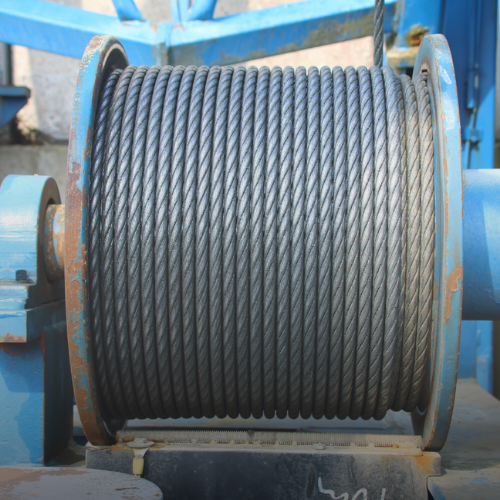
Fatigue is one of the most common causes of wire rope failure. It occurs due to repeated bending over sheaves and drums.
Signs include:
- Broken wires
- Surface wear
Common in Crane Wire Ropes and Elevator Wire Ropes.
Prevention
- Use proper rope construction
- Ensure correct sheave diameter
- Maintain lubrication
2. Abrasion and Wear
Abrasion occurs when the rope rubs against surfaces or materials.
Common in:
Prevention
- Use abrasion-resistant ropes
- Avoid sharp edges
- Maintain alignment
3. Corrosion
Corrosion weakens wires and reduces rope strength.
Common in:
Prevention
- Use coated ropes
- Regular lubrication
- Store properly
4. Mechanical Damage
Mechanical damage includes crushing, kinking, and deformation.
Common in improper handling situations.
Prevention
- Proper handling
- Avoid overloading
- Correct installation
5. Overloading
Exceeding load limits leads to sudden failure.
Prevention
- Follow load limits
- Use correct safety factor
6. Improper Installation
Incorrect installation can cause uneven stress distribution.
Prevention
- Follow manufacturer guidelines
- Ensure proper alignment

Early Warning Signs of Wire Rope Failure
- Broken wires
- Rust or corrosion
- Diameter reduction
- Deformation
Regular inspection helps detect these signs early.
Role of Quality and Manufacturing
A reliable manufacturer of wire ropes in India ensures consistent quality through:
- Advanced manufacturing
- Testing and inspection
Refer to:
Prevention Strategies for Wire Rope Failures
Proper Selection
Choose the right rope for the application. Refer to General Engineering Wire Ropes.
Regular Inspection
Inspect ropes frequently to detect early damage.
Proper Lubrication
Lubrication reduces friction and corrosion.
Correct Storage
Store ropes properly to avoid damage.
Training and Handling
Ensure proper training for handling and maintenance.
Application-Specific Considerations
- Aerial Wire Ropes – require fatigue resistance
- Non-Rotating Wire Ropes – prevent twisting
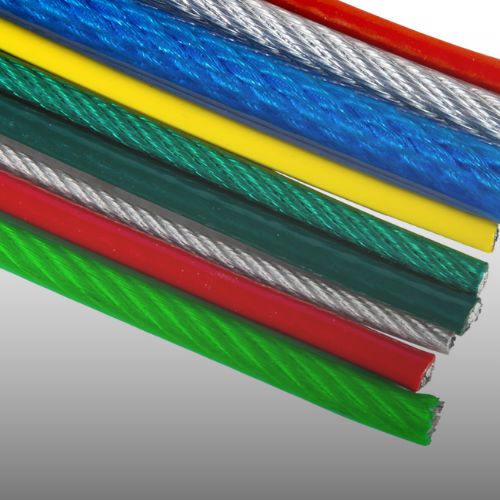
- PVC & HDPE Coated Wire Ropes – improve corrosion resistance
- Suspension Bridge Wire Ropes – require high strength
Common Mistakes Leading to Failures
- Ignoring inspection
- Overloading
- Improper storage
- Wrong selection
Frequently Asked Questions (FAQs)
What is the most common cause of wire rope failure?
Fatigue is the most common cause of wire rope failure. It occurs due to repeated bending and loading cycles during operation. Over time, this leads to broken wires and reduced strength, making the rope unsafe for use.
How can wire rope failure be prevented?
Failure can be prevented through proper selection, regular inspection, lubrication, and correct handling. Following manufacturer guidelines and maintaining equipment also plays a crucial role in extending rope life.
How often should wire ropes be inspected?
Wire ropes should be inspected regularly based on usage conditions. Daily visual checks and periodic detailed inspections help identify early signs of damage and prevent failures.
Can corrosion lead to sudden failure?
Yes, corrosion weakens the rope internally and externally. If not detected early, it can lead to sudden failure under load. Proper coating and maintenance help prevent corrosion.
Where can I learn more about wire rope maintenance?
Visit Blogs for detailed guides and expert insights.
Conclusion
Understanding wire rope failures is essential for ensuring safety and performance. By identifying causes and implementing preventive measures, industries can reduce risks and improve efficiency.
Choosing a trusted manufacturer of wire ropes in India and leading steel wire rope manufacturers in India ensures high-quality products and reliable performance.
To ensure reliable performance:
- Visit Wire Ropes
- Explore Our Products
- Check Quality Assurance System at Bedmutha
Prevent failures with the right knowledge and solutions.