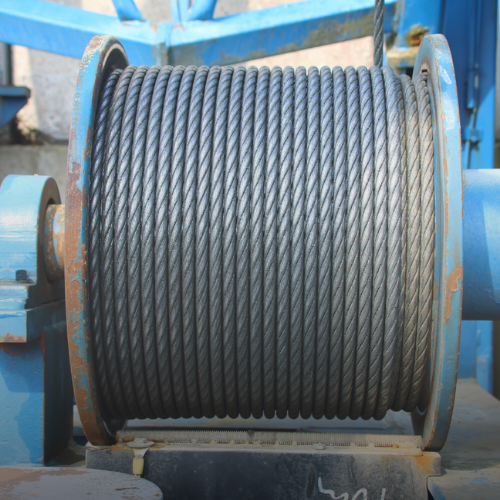
Crane operations are among the most demanding applications for wire ropes. In construction projects, mining operations, ports and manufacturing facilities, ropes face constantly changing loads rather than steady ones – and that difference decides how long they last. This guide explains dynamic loading and how SURE wire ropes are engineered to handle it.
Dynamic loading occurs whenever forces acting on a wire rope change suddenly due to acceleration, deceleration, impact, swinging loads, sudden starts, sudden stops, or environmental conditions. Unlike static loads, dynamic loads can significantly increase the actual forces experienced by the wire rope, often exceeding the load’s nominal weight. These additional stresses can accelerate wear, reduce service life, and increase the risk of rope failure if not properly managed.
This is why crane operators, maintenance teams, project engineers, and procurement professionals rely on products from a trusted manufacturer of wire ropes in India that understands the challenges associated with dynamic loading and designs ropes capable of performing safely under demanding conditions.
Explore our complete range of Wire Rope Solutions and Crane Wire Ropes designed for heavy-duty lifting applications.
What Is Dynamic Loading?
Dynamic loading refers to the additional forces generated when a load is moving or subjected to sudden changes in motion. Unlike a stationary load, a moving load creates varying stress levels within the wire rope.
For example:
- A crane suddenly lifting a heavy load
- Rapid acceleration of a hoist
- Sudden stopping during lowering
- Load swinging due to wind
- Impact loading during material handling
All of these situations create dynamic forces that may exceed the static weight of the load.
If a 10-ton load experiences significant acceleration or impact, the actual force applied to the rope may temporarily exceed 10 tons. Understanding these forces is critical for safe crane operation and rope selection.
As a leading manufacturer of wire ropes in India, Bedmutha designs wire ropes to withstand the demanding conditions associated with dynamic loading.
Difference Between Static and Dynamic Loads
Static Load
A static load remains constant and does not involve movement.
Examples include:
- A suspended load held stationary
- Equipment resting without motion
- Constant tension applications
Static loads are relatively predictable and easier to calculate.
Dynamic Load
Dynamic loads involve motion or force changes.
Examples include:
- Starting a lift
- Stopping a load
- Load impact
- Sudden acceleration
- Load sway
Dynamic loads create higher stress levels and require careful engineering consideration.

Why Dynamic Loading Matters in Crane Operations
Dynamic loading directly affects wire rope performance and operational safety.
Increased Rope Stress
When dynamic forces occur, the rope experiences stresses beyond normal static loading conditions.
Repeated exposure to these forces can:
- Accelerate fatigue
- Increase wear
- Reduce service life
- Cause internal wire damage
Reduced Safety Margins
Every wire rope is designed with a specific safety factor.
Excessive dynamic loading can reduce available safety margins and increase operational risk.
Higher Maintenance Costs
Dynamic loading often results in:
- More frequent inspections
- Increased lubrication requirements
- Earlier rope replacement
Understanding these impacts helps operators optimize maintenance schedules.
Common Sources of Dynamic Loading in Crane Operations
Sudden Starts
Abruptly starting a lift creates shock loading.
The rope must absorb the additional force generated as the load transitions from rest to motion.
Sudden Stops
Stopping a moving load suddenly can create forces significantly greater than the static load.
These forces are transferred directly into the wire rope.
Load Swinging
Wind, operator actions, or uneven lifting can cause suspended loads to swing.
This swinging generates dynamic side-loading forces that increase rope stress.
Impact Loading
Impact occurs when a load:
- Strikes an obstacle
- Is dropped slightly before tensioning
- Encounters sudden resistance
Impact loading is one of the most damaging forms of dynamic stress.
Crane Travel Movements
Moving a crane while carrying a suspended load can introduce additional dynamic forces.
This is particularly important for:
- Tower cranes
- Mobile cranes
- Port cranes
- Overhead cranes
How Dynamic Loading Affects Wire Rope Performance
Fatigue Damage
Fatigue is one of the leading causes of wire rope deterioration.
Dynamic loading increases the frequency and severity of stress cycles.
Over time, this can lead to:
- Internal wire fractures
- Strand damage
- Reduced rope strength
Accelerated Wear
Higher stress levels increase friction between wires and strands.
This results in:
- Faster wear rates
- Surface deterioration
- Reduced flexibility
Diameter Reduction
Repeated dynamic loading can cause internal wear that gradually reduces rope diameter.
Diameter reduction is often an early indicator of rope deterioration.
Broken Wires
Shock loading and repeated dynamic stress may lead to broken wires.
These broken wires compromise rope integrity and require immediate evaluation.
The Importance of Proper Wire Rope Selection
Selecting the correct wire rope is critical for applications exposed to dynamic loading.
Factors to consider include:
Rope Construction
Different constructions offer varying levels of:
- Flexibility
- Fatigue resistance
- Abrasion resistance
Rope Diameter
Proper diameter selection ensures adequate strength and service life.
Core Type
Common core options include:
- Fiber cores
- Steel cores
Each provides different performance characteristics.
Safety Factor
Applications involving dynamic loading often require higher safety factors.
Working with an experienced manufacturer of wire ropes in India helps ensure proper selection.
Explore specialized solutions:
Best Practices for Reducing Dynamic Loading
Smooth Crane Operation
Operators should avoid abrupt movements whenever possible.
Smooth acceleration and deceleration reduce shock loading.
Proper Load Handling
Loads should be lifted steadily and carefully.
Avoid:
- Jerking
- Sudden lifting
- Dropping loads into tension
Operator Training
Well-trained operators understand how their actions affect rope performance.
Training helps minimize unnecessary dynamic forces.
Load Control
Using tag lines and proper rigging techniques helps reduce load swing.
Explore related products:
Importance of Inspection Under Dynamic Loading Conditions
Applications exposed to dynamic loading require more frequent inspections.
Technicians should monitor:
Broken Wires
Broken wires may indicate fatigue damage.
Wear Patterns
Uneven wear often suggests excessive loading or operational issues.
Rope Diameter
Diameter reduction may indicate internal deterioration.
Lubrication Condition
Proper lubrication helps reduce friction and wear.
How Quality Manufacturing Improves Dynamic Load Performance
Not all wire ropes respond equally to dynamic loading.
High-quality manufacturing provides:
- Better fatigue resistance
- Improved consistency
- Enhanced durability
- Greater operational reliability
Bedmutha follows rigorous manufacturing and testing procedures to ensure reliable performance.
Learn more:
As a trusted manufacturer of wire ropes in India, Bedmutha continuously invests in technology and quality systems to support demanding crane applications.
Applications Where Dynamic Loading Is Especially Critical
Construction Cranes
Construction sites involve frequent lifting cycles and changing load conditions.
Mining Operations
Mining environments expose ropes to shock loading and harsh operating conditions.
Explore:
Marine and Port Operations
Wave motion and vessel movement introduce significant dynamic forces.
Explore:
Oil & Gas Operations
Offshore lifting systems frequently encounter dynamic loading caused by environmental conditions.
Explore:
Conclusion
Dynamic loading is one of the most important factors affecting crane wire rope performance. Sudden starts, stops, swinging loads, impact forces, and environmental conditions can significantly increase stress levels and accelerate rope deterioration.
Understanding dynamic loading allows engineers, operators, and maintenance teams to make better decisions regarding rope selection, operation, inspection, and replacement. By choosing products from experienced steel wire rope manufacturers in India, organizations can improve safety, extend rope life, and reduce operational costs.
With decades of engineering expertise, advanced manufacturing capabilities, and rigorous quality standards, Bedmutha continues to provide high-performance wire rope solutions for crane operations and critical industrial applications.
Looking for High-Performance Crane Wire Rope Solutions?
Choose Bedmutha Industries, a trusted manufacturer of wire ropes in India, for engineered wire rope solutions designed to handle demanding crane operations and dynamic loading conditions.
Learn More
Contact Bedmutha Industries today and discover why customers trust us as a leading manufacturer of wire ropes in India for safe, reliable, and high-performance wire rope solutions.
Frequently Asked Questions
What is dynamic loading in crane operations?
Dynamic loading refers to additional forces generated when loads move, accelerate, decelerate, swing, or experience impact. These forces can exceed the static weight of the load and significantly affect wire rope performance and safety.
Why is dynamic loading harmful to wire ropes?
Dynamic loading increases stress levels within the rope, accelerating fatigue, wear, broken wires, and internal deterioration. Over time, this can reduce service life and increase maintenance requirements.
How can crane operators reduce dynamic loading?
Operators can minimize dynamic loading by using smooth lifting techniques, avoiding sudden starts and stops, controlling load swing, and following proper rigging practices. Training and experience also play important roles.
How often should ropes exposed to dynamic loading be inspected?
Ropes operating under dynamic loading conditions should be inspected more frequently than those exposed only to static loads. Regular inspections help identify wear, fatigue, and damage before they become safety concerns.
Why should I choose a reputable wire rope manufacturer?
A trusted manufacturer of wire ropes in India uses advanced materials, precise manufacturing processes, and rigorous testing procedures to produce ropes capable of withstanding demanding dynamic loading conditions while maintaining safety and performance.