Wire ropes are precision-engineered products designed to perform under high loads and demanding environments. However, their performance can be compromised before first use – by poor storage on site. This guide covers the correct way to store wire rope drums so Bedmutha wire ropes reach service in the same condition they left the plant.
For engineers, site managers, warehouse teams, and procurement professionals, understanding how to store wire rope drums safely is critical. Whether used in cranes, mining, infrastructure, oil & gas, marine, or general engineering applications, correct storage practices ensure that the rope retains its original properties until installation.
A responsible manufacturer of wire ropes in India not only produces high-quality wire ropes but also provides guidelines for proper handling and storage to protect product integrity. To explore application-specific products that require proper storage care, visit Wire Ropes. This comprehensive guide explains best practices for storing wire rope drums safely on site, minimizing risk, and preserving performance.
Additionally, proper storage is not just about avoiding damage—it is about maintaining the engineered properties of the rope such as lubrication integrity, strand alignment, and fatigue resistance. Even minor negligence at the storage stage can significantly reduce operational life once the rope is installed.


Why Proper Storage of Wire Rope Drums Matters
Wire ropes are highly engineered mechanical systems, and even minor environmental exposure during storage can impact their internal structure and long-term performance. Unlike solid steel components, wire ropes consist of multiple wires and strands that rely on precise alignment and lubrication.
Improper storage conditions can disrupt this balance, leading to internal friction, corrosion, and reduced fatigue life. Over time, this results in decreased load-bearing capacity and increased risk of failure during operation.
For critical applications such as Crane Wire Ropes and Elevator Wire Ropes, even small storage-related damage can compromise safety.
Working with a trusted manufacturer of wire ropes in India ensures that storage recommendations are aligned with product design and application requirements.
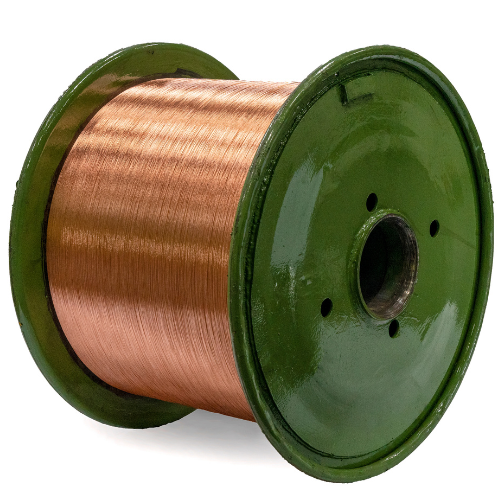
Understanding Wire Rope Drum Construction
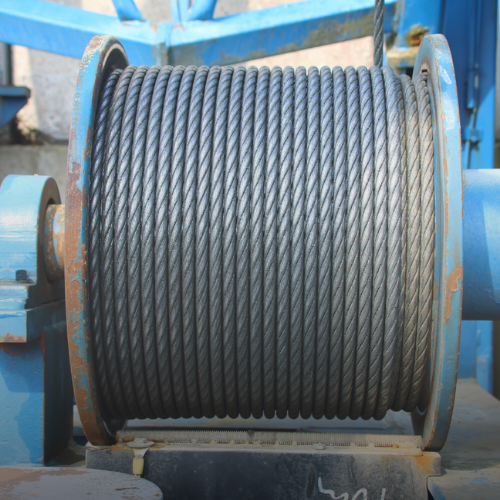
Wire ropes are supplied on drums designed to protect the rope during transport and storage. These drums may be wooden, steel, or composite, depending on rope size and application.
Key features of a wire rope drum:
- Flanges to protect rope layers
- Barrel to support winding
- Protective wrapping or covering
Understanding drum construction helps in handling and storing them correctly without causing damage.
Ideal Storage Location for Wire Rope Drums
Indoor Storage (Recommended)
The best practice is to store wire rope drums indoors in a clean, dry, and well-ventilated area.
Benefits include:
- Protection from rain and humidity
- Reduced corrosion risk
- Controlled temperature conditions
Indoor storage is especially important for sensitive applications such as Elevator Wire Ropes and Aerial Wire Ropes.
Outdoor Storage (If Unavoidable)
If outdoor storage is necessary:
- Use waterproof covers
- Elevate drums above ground level
- Avoid direct sunlight and standing water
Outdoor storage requires strict monitoring to prevent environmental damage.
Proper Positioning of Wire Rope Drums
Correct positioning of wire rope drums is essential to maintain the structural integrity of the rope. Drums should always be stored upright on their flanges to preserve the winding pattern and prevent uneven stress distribution.
When drums are laid flat, the rope layers may shift or compress, leading to deformation or loosening of strands. This can cause issues such as kinks or uneven tension during installation.
Proper positioning becomes even more critical for heavy-duty applications like Mining Wire Ropes and Haulage Wire Ropes where rope integrity directly affects operational safety.


Ground Protection and Elevation
Placing wire rope drums directly on the ground exposes them to moisture, dirt, and contaminants that can damage both the drum and the rope. Ground moisture can seep into the rope layers, leading to internal corrosion that is difficult to detect.
To prevent this, drums should be elevated using wooden pallets, steel supports, or sleepers. Proper elevation also ensures airflow around the drum, reducing the risk of condensation.
This practice is particularly important for General Engineering Wire Ropes and long-storage applications where exposure duration is extended.
Protection Against Moisture and Corrosion
Moisture is one of the biggest threats to wire rope integrity.
Preventive Measures
- Keep drums covered with waterproof sheets
- Inspect protective wrapping regularly
- Apply additional lubrication if required
Corrosion protection is critical for Marine and Fishing Wire Ropes and Oil and Gas Wire Ropes.
Avoiding Mechanical Damage During Storage
Mechanical damage can occur due to improper stacking, impact, or mishandling.
Key Guidelines
- Do not stack drums unless designed for stacking
- Use proper lifting equipment
- Avoid rolling drums on uneven surfaces
Damage during storage can affect performance in Haulage Wire Ropes and General Engineering Wire Ropes.
Handling and Movement of Wire Rope Drums
Handling wire rope drums incorrectly can cause internal damage that may not be immediately visible but can significantly reduce service life. Dropping, dragging, or rolling drums on uneven surfaces can distort the rope structure.
Proper handling involves using forklifts, cranes, or lifting equipment designed to support the drum through its shaft. This prevents uneven loading and protects both the drum and the rope.
Safe handling is especially critical for precision applications like Aerial Wire Ropes and Non-Rotating Wire Ropes where structural accuracy is essential.
Storage Duration and Inspection
Wire ropes stored for extended periods require periodic inspection to ensure they remain in usable condition. Over time, environmental factors such as humidity and temperature fluctuations can affect lubrication and surface condition.
Regular inspection should include checking for rust, verifying lubrication levels, and ensuring that the drum remains structurally intact. Rotating the drum periodically can also help prevent localized pressure points.
Inspection is particularly important for high-value applications such as Oil and Gas Wire Ropes and Suspension Bridge Wire Ropes where reliability is critical.
Lubrication Maintenance During Storage
Lubrication may degrade over time, especially in harsh environments.
Recommendations
- Reapply lubricant if necessary
- Use manufacturer-recommended products
Proper lubrication extends shelf life and performance.
Label Protection and Traceability
Wire rope labels contain critical information about specifications and certifications.
Ensure
- Labels remain intact and readable
- Documentation is preserved
Traceability is supported by systems like Quality Assurance System and Certificates.
Storage for Specialized Wire Ropes
Different applications require additional precautions:
- Non-Rotating Wire Ropes – Avoid twist during handling
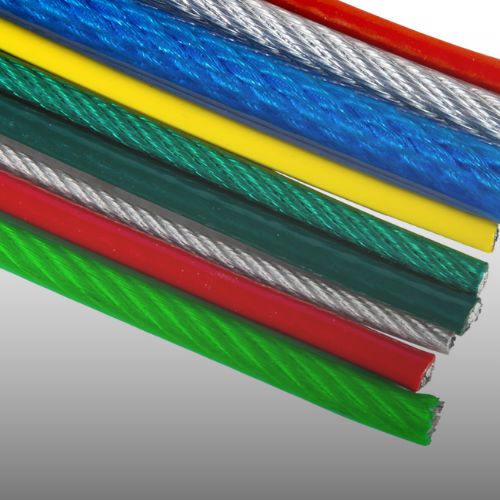
- PVC & HDPE Coated Wire Ropes – Protect coating from UV exposure
- Barrier Wire Ropes – Prevent surface damage
Site-Specific Storage Scenarios and Best Practices
Different project environments demand different storage strategies. Understanding site conditions helps in implementing more effective protection measures.
Construction Sites
Construction environments are often dusty, uneven, and exposed to weather. Drums should be:
- Stored on elevated platforms
- Covered with waterproof sheets
- Kept away from heavy equipment movement
Mining Sites
Mining sites expose wire ropes to abrasive dust and moisture. For Mining Wire Ropes:
- Use enclosed storage where possible
- Inspect lubrication frequently
- Avoid prolonged outdoor exposure
Coastal and Marine Environments
Salt-laden air accelerates corrosion. For Marine and Fishing Wire Ropes:
- Use corrosion-resistant covers
- Apply additional protective lubrication
- Inspect regularly for early rust formation
Oil & Gas Sites
Harsh environments and chemicals require strict storage discipline for Oil and Gas Wire Ropes:
- Store away from chemical exposure
- Maintain clean and dry storage zones
Common Storage Mistakes to Avoid
- Storing drums directly on wet ground
- Leaving ropes exposed to rain
- Incorrect drum positioning
- Ignoring inspection schedules
- Mishandling during movement
Avoiding these mistakes preserves product quality.
Role of Manufacturer Guidelines
A professional manufacturer of wire ropes in India provides detailed storage and handling instructions based on rope type and application.
Following manufacturer recommendations ensures optimal performance and safety.
Frequently Asked Questions (FAQs)
Can wire rope drums be stored outdoors?
Yes, wire rope drums can be stored outdoors, but only when proper protective measures are in place. They must be covered with waterproof sheets, elevated above ground level, and positioned in areas with proper drainage. Continuous exposure to rain, humidity, and sunlight can degrade lubrication and cause corrosion, so regular inspection is essential.
How long can wire ropes be stored safely?
Wire ropes can be stored for extended periods if proper storage practices are followed. However, periodic inspection is necessary to ensure that lubrication, surface condition, and structural integrity remain intact. Environmental conditions play a major role, and ropes stored in harsh conditions may require additional maintenance.
Is lubrication required during storage?
Yes, lubrication is critical even during storage. Over time, existing lubrication can dry out or degrade, especially in hot or humid environments. Reapplying manufacturer-recommended lubricant helps protect internal wires from friction and corrosion, ensuring the rope remains ready for use.
Can wire rope drums be stacked on top of each other?
Stacking wire rope drums is generally not recommended unless the drums are specifically designed for stacking. Improper stacking can damage drum flanges, distort the rope structure, and create safety hazards. It is always safer to store drums individually with adequate spacing.
Where can I learn more about wire rope handling and maintenance?
You can explore detailed guides, best practices, and technical insights on wire rope handling and maintenance by visiting the Blogs section. These resources help improve operational safety, extend rope life, and ensure correct usage across industries.
Conclusion
Proper storage of wire rope drums is essential for maintaining product quality, safety, and performance. By following best practices for positioning, protection, handling, and inspection, organizations can prevent damage and extend service life.
Working with a reliable manufacturer of wire ropes in India and experienced steel wire rope manufacturers in India ensures access to high-quality products and expert guidance helping you protect your investment from storage to installation.
To ensure proper storage and performance:
- Explore product solutions on Wire Ropes
- Review offerings via Our Products
- Verify quality through Quality Assurance System and Certificates
- Stay updated with Blogs
Protect your wire ropes from the moment they arrive on site.