Wire ropes are critical load-bearing components in lifting operations across construction, mining, marine, oil & gas and infrastructure. A two-minute inspection before every lift is the cheapest insurance any site can buy. This checklist explains exactly what to look for, based on the QA discipline behind Bedmutha wire ropes.
Before every lifting operation, wire ropes must be carefully inspected to ensure they are in safe working condition. A professional manufacturer of wire ropes in India designs ropes with high safety margins, but improper usage, wear, and environmental exposure can still affect performance.
To explore application-based solutions, visit Wire Ropes.
This detailed guide explains how to inspect wire rope before lifting operations, what defects to look for, and how to ensure safety and compliance.
Why Wire Rope Inspection Before Lifting Is Critical
Wire ropes undergo continuous stress, bending, and environmental exposure. Over time, this leads to wear, fatigue, and structural degradation. Without proper inspection, these defects can go unnoticed and result in failure during lifting.
Inspection ensures: – Safety of personnel and equipment – Compliance with lifting regulations – Early detection of wear and damage – Increased service life of the rope
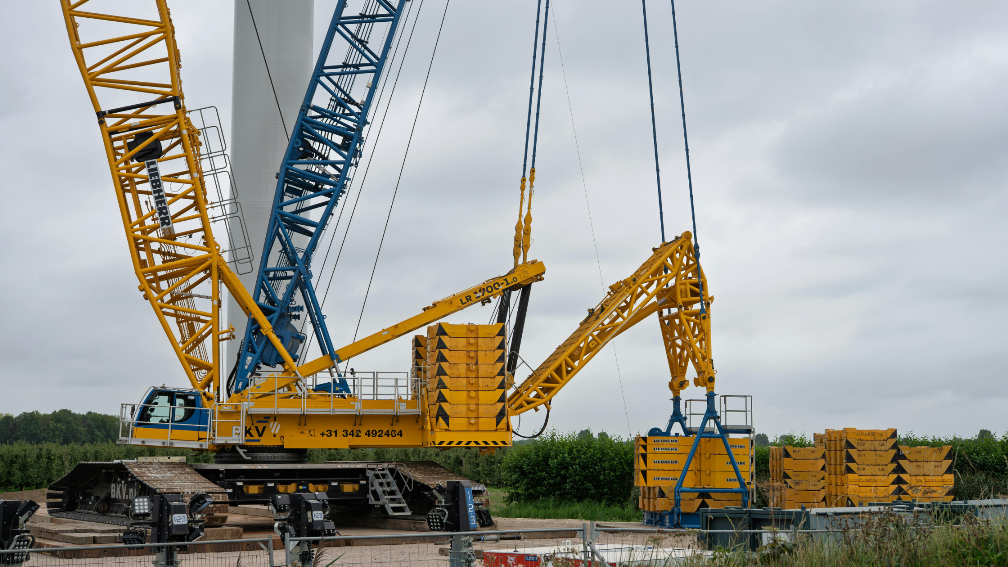
Applications such as Crane Wire Ropes and Slings & Fittings require strict inspection protocols due to their safety-critical nature.
Types of Wire Rope Inspection
Visual Inspection
Visual inspection is the first and most important step. It involves examining the rope for visible signs of damage such as broken wires, corrosion, and deformation.
Inspectors should check the entire accessible length of the rope, paying special attention to high-stress areas like sheave contact points and end terminations.
Tactile Inspection
Running a gloved hand along the rope helps detect broken wires or irregularities that may not be visible. This method is especially useful for detecting internal damage or protruding wires.
Operational Inspection
Observe the rope during operation for abnormal vibrations, noise, or uneven movement. These can indicate internal issues or improper installation.
Key Inspection Points Before Lifting
1. Broken Wires
Broken wires are one of the most common indicators of fatigue. Even a small number of broken wires can significantly reduce rope strength.
Inspect for: – Clusters of broken wires – Broken wires near terminations
This is critical in applications like Mining Wire Ropes and Haulage Wire Ropes.
2. Corrosion and Rust
Corrosion weakens the rope by reducing cross-sectional area and increasing brittleness. Marine and offshore environments are especially prone to corrosion.
Check for: – Surface rust – Internal corrosion
Important for Marine and Fishing Wire Ropes and Oil and Gas Wire Ropes.
3. Abrasion and Wear
Abrasion occurs when the rope rubs against surfaces or passes over sheaves. This reduces wire diameter and strength.
Look for: – Flattened wires – Polished surfaces
Common in General Engineering Wire Ropes.
4. Deformation (Kinks, Birdcaging, Crushing)
Deformation affects the structural integrity of the rope and must be taken seriously.
Types include: – Kinks – Birdcaging – Crushing
Critical for Non-Rotating Wire Ropes and Aerial Wire Ropes.
5. Diameter Reduction
A reduction in rope diameter indicates internal wear or core failure.
Measure diameter at multiple points and compare with original specifications.
6. Lubrication Condition
Lubrication reduces internal friction and protects against corrosion. Dry or insufficient lubrication accelerates wear.
Reapply lubricant if necessary, especially for long-used ropes.
7. End Terminations and Fittings
Inspect end connections such as hooks, sockets, and clamps for damage or loosening.
Important for lifting systems using Slings & Fittings.
Inspection Frequency Guidelines
Inspection frequency depends on usage intensity and application type.
- Daily: Visual checks for lifting equipment
- Weekly: Detailed inspection
- Periodic: Professional inspection
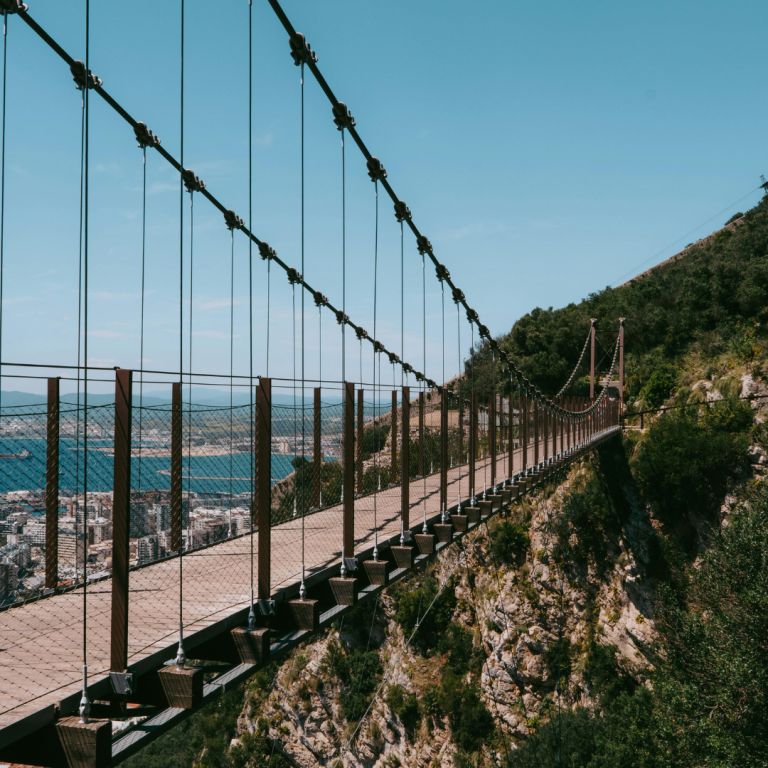
High-risk applications such as Suspension Bridge Wire Ropes require stricter schedules.
Role of Quality and Certification
Using certified products ensures better inspection outcomes and reliability.
Refer to: – Quality Assurance System – Certificates
Leading steel wire rope manufacturers in India maintain strict quality standards.
Common Mistakes During Inspection
- Ignoring small defects
- Skipping internal inspection
- Not checking entire rope length
- Using untrained personnel
Avoiding these mistakes improves safety.
When to Reject a Wire Rope
A rope should be removed from service if: – Broken wires exceed limits – Severe corrosion is present – Deformation is visible – Diameter reduction is significant
Role of Manufacturer Guidance
A reliable manufacturer of wire ropes in India provides inspection guidelines, helping users maintain safety and performance.
Explore more on Our Products and Blogs.
Frequently Asked Questions (FAQs)
How often should wire ropes be inspected before lifting?
Wire ropes should be inspected before every lifting operation, especially in safety-critical environments. Regular daily visual checks combined with periodic detailed inspections help detect early signs of wear, corrosion, or damage. The inspection frequency should also depend on the intensity of usage and environmental conditions.
What is the most common defect found during inspection?
Broken wires and corrosion are among the most common defects. These issues occur due to repeated loading, environmental exposure, and lack of proper maintenance. Identifying these early helps prevent sudden failures during lifting operations.
Can a slightly damaged wire rope still be used?
Minor damage may be acceptable within defined safety limits, but it should always be evaluated carefully. If defects exceed permissible limits, the rope must be replaced immediately to avoid safety risks. It is always better to err on the side of caution.
Why is lubrication important in inspection?
Lubrication reduces internal friction and protects against corrosion. During inspection, checking lubrication condition ensures that the rope remains protected and operates smoothly. Lack of lubrication accelerates wear and shortens service life.
Where can I learn more about wire rope inspection practices?
You can explore detailed inspection guides and technical insights on the Blogs section. These resources provide expert recommendations for maintaining safety and extending wire rope life.
Conclusion
Wire rope inspection before lifting operations is essential for ensuring safety, reliability, and compliance. By identifying defects early and following proper inspection procedures, organizations can prevent accidents and extend rope service life.
Choosing products from a trusted manufacturer of wire ropes in India and experienced steel wire rope manufacturers in India ensures quality, durability, and long-term performance.
To ensure safe lifting operations:
- Explore solutions on Wire Ropes
- Review products via Our Products
- Verify quality through Quality Assurance System
- Stay informed with Blogs
Ensure safety by inspecting every wire rope before lifting.