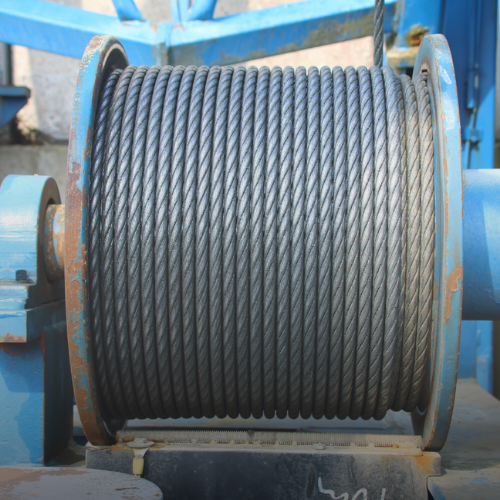
Cranes are the backbone of lifting operations across construction, infrastructure, ports, manufacturing and heavy engineering – and at the heart of every crane system is its wire rope. Choosing the right one decides safety, uptime and cost per lift. This complete guide walks through the selection process, with examples from the SURE wire ropes range.
A trusted manufacturer of wire ropes in India helps engineers and procurement teams choose the correct rope based on load, environment, duty cycle, and equipment compatibility. This complete guide explains how to select the right crane wire rope, what factors matter most, and how to ensure long-term performance.
Explore product options: Wire Ropes and Crane Wire Ropes.
Why Correct Wire Rope Selection Matters for Cranes
Crane operations involve dynamic loading, repeated bending over sheaves, and varying environmental exposure. Incorrect selection can cause accelerated wear, internal damage, and sudden failure.
Proper selection ensures:
- Safe lifting and compliance
- Longer service life
- Reduced maintenance and downtime
- Consistent performance under load
Working with experienced steel wire rope manufacturers in India ensures application-specific recommendations.
Key Factors for Selecting Crane Wire Rope
1. Load Capacity and Safety Factor
Determine the maximum working load and apply an appropriate safety factor as per standards and site policy. The rope’s minimum breaking force (MBF) must exceed expected loads with a safe margin.
2. Rope Construction (e.g., 6×19 vs 6×36)
- 6×19: Fewer, thicker outer wires → better abrasion resistance
- 6×36: More, thinner wires → better flexibility and fatigue life
For cranes with frequent bending cycles, 6×36 constructions are often preferred.
3. Core Type (FC vs IWRC)
- Fiber Core (FC): More flexible, better shock absorption
- Independent Wire Rope Core (IWRC): Higher strength, better crush resistance
For heavy-duty cranes and multi-layer spooling, IWRC is recommended.
4. Lay Type and Direction
- Regular lay: Stable, less prone to rotation
- Lang lay: Better abrasion resistance, but needs controlled handling
Correct lay direction must match drum winding to prevent torsional issues.
5. Diameter Compatibility with Sheaves and Drums
Rope diameter must match groove profiles. Incorrect sizing causes uneven wear, crushing, and reduced fatigue life. Follow OEM recommendations for D/d ratios.
6. Rotation Resistance
For long lifts or single-part lines, rotation can destabilize loads. Use Non-Rotating Wire Ropes to minimize spin.
7. Environmental Conditions
- Outdoor / marine → corrosion protection required
- Dusty / abrasive → thicker outer wires preferred
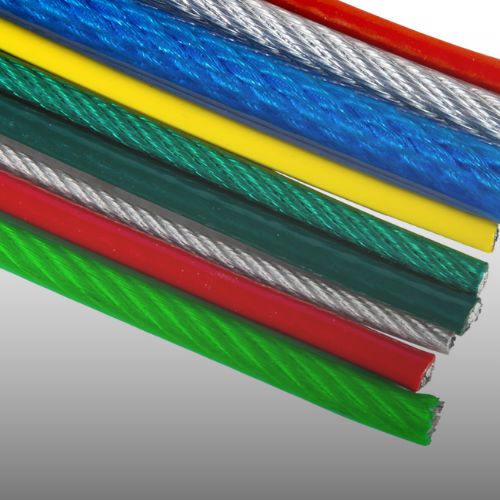
Consider coated options like PVC & HDPE Coated Wire Ropes for added protection.
8. Lubrication and Maintenance Requirements
Select ropes with adequate factory lubrication and plan for relubrication to reduce friction and corrosion.


Matching Rope to Crane Type
Overhead (EOT) Cranes
- Moderate loads, frequent cycles
- Prefer flexible constructions (6×36), FC or IWRC based on duty
Tower Cranes
- High lifts, variable loads
- Rotation-resistant ropes recommended
Mobile Cranes
- Dynamic loading, field conditions
- IWRC, good fatigue resistance, robust lubrication
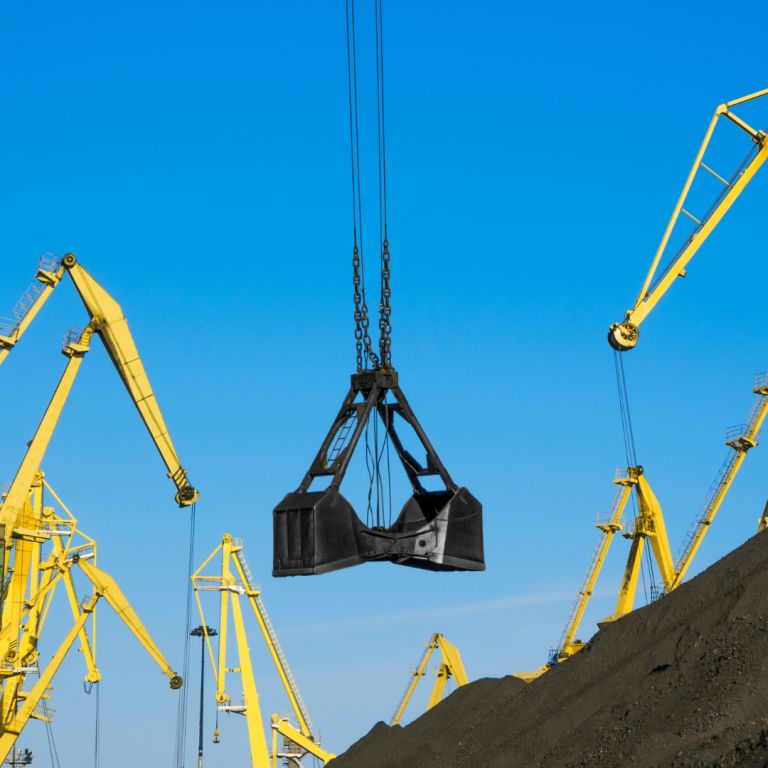
Port & Container Cranes
- Continuous duty, high cycle counts
- High fatigue resistance, corrosion protection for coastal sites
Application-Specific Solutions
- Lifting assemblies: Slings & Fittings
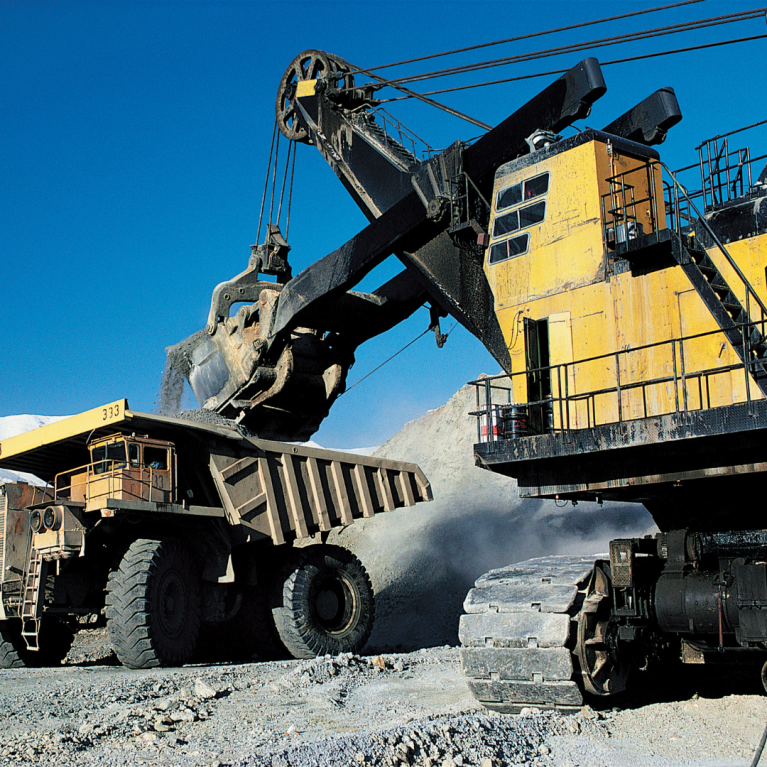
- Heavy-duty environments: Mining Wire Ropes and Haulage Wire Ropes
- General industrial use: General Engineering Wire Ropes
- Specialized lifting: Aerial Wire Ropes
Performance Characteristics to Evaluate
Fatigue Resistance
Critical for repeated bending. Influenced by construction, lubrication, and D/d ratio.
Abrasion Resistance
Important where ropes contact rough surfaces or operate in dusty conditions.
Crush Resistance
Needed for multi-layer spooling and high drum pressures (favor IWRC).
Corrosion Resistance
Essential for outdoor and coastal operations; consider galvanized or coated ropes.
Inspection and Replacement Criteria
Before and during use, inspect for:
- Broken wires (count and distribution)
- Diameter reduction
- Corrosion and pitting
- Kinks, birdcaging, or crushing
Remove from service when limits are exceeded as per standards and OEM guidance.
Quality, Testing, and Certification
Choose ropes that meet stringent quality systems and testing protocols.
A dependable manufacturer of wire ropes in India ensures traceability, consistent testing, and compliance.
Common Mistakes in Crane Rope Selection
Selecting based on price alone
- Ignoring D/d ratio and groove compatibility
- Using non-rotation-resistant ropes for long lifts
- Overlooking lubrication and maintenance plans
- Not aligning lay direction with drum winding
Step-by-Step Selection Checklist
- Define load (SWL) and duty cycle
- Identify crane type and reeving system
- Choose construction (6×19 vs 6×36)
- Select core (FC vs IWRC)
- Confirm diameter with sheave/drum specs
- Decide on rotation resistance
- Evaluate environment and coatings
- Verify standards, certificates, and QA
- Plan inspection and lubrication schedule
Cost vs Lifecycle Value
A lower upfront cost can lead to higher lifecycle costs due to frequent replacements and downtime. Investing in the right specification reduces total cost of ownership through longer service intervals and fewer failures.
Frequently Asked Questions (FAQs)
How do I choose the right wire rope for a crane?
Start with load and duty cycle, then match rope construction, core type, and diameter to the crane’s sheaves and drum. Consider environment and whether rotation resistance is needed. Always verify certifications and consult with a reliable manufacturer for application-specific recommendations.
What is the best construction for crane wire ropes?
For most crane applications, 6×36 constructions provide better flexibility and fatigue resistance, while 6×19 offers higher abrasion resistance. The final choice depends on operating conditions and cycle frequency.
Why is IWRC preferred in heavy-duty cranes?
IWRC provides higher strength and better resistance to crushing, especially in multi-layer spooling. It maintains rope geometry under load and improves durability in demanding applications.
Do I need non-rotating ropes for all cranes?
Not always. Non-rotating ropes are essential for long lifts, single-part lines, and where load spin is a risk. For standard multi-part reeving systems, regular constructions may suffice.
How often should crane ropes be inspected?
Daily visual checks and periodic detailed inspections are recommended. Frequency increases with usage intensity and environmental severity. Follow OEM and standard guidelines.
Can lubrication extend crane rope life?
Yes. Proper lubrication reduces internal friction, protects against corrosion, and improves fatigue life. Regular relubrication is critical for sustained performance.
Where can I learn more about wire rope selection and care?
Visit Blogs for in-depth guides and best practices.
Conclusion
Selecting the right wire rope for cranes requires a clear understanding of load, construction, core type, environment, and equipment compatibility. With the right specification and maintenance plan, organizations can ensure safe operations, longer service life, and reduced costs.
Partnering with a trusted manufacturer of wire ropes in India and leading steel wire rope manufacturers in India ensures access to reliable, application-specific solutions.
- Explore Wire Ropes and Crane Wire Ropes
- Browse Our Products
- Review Quality Assurance System
- Read expert insights on Blogs
Choose the right rope for safer, more efficient crane operations.