Wire ropes are designed to withstand some of the most demanding operating conditions across industries such as construction, mining, marine, oil & gas, forestry, and material handling. While breaking strength and abrasion resistance often receive significant attention during rope selection, one of the most important yet frequently overlooked performance factors is fatigue resistance.
Fatigue resistance directly influences the service life, safety, and reliability of a wire rope. In heavy-duty applications where ropes repeatedly bend over sheaves, drums, and pulleys while carrying substantial loads, fatigue becomes one of the primary causes of wire rope failure. Even a rope with excellent tensile strength can experience premature failure if it lacks sufficient fatigue resistance.
A trusted manufacturer of wire ropes in India understands that fatigue performance is not merely a product characteristic—it is a critical engineering requirement. By focusing on advanced rope design, quality raw materials, precision manufacturing, and rigorous testing, manufacturers can significantly improve fatigue life and deliver superior long-term performance.
To explore advanced wire rope solutions engineered for demanding industrial applications, visit Wire Ropes.
This guide explains what fatigue resistance is, why it matters, how it affects wire rope performance, and what industries should consider when selecting ropes for heavy-duty applications.
Understanding Fatigue in Wire Ropes
Fatigue is the gradual weakening of a material caused by repeated loading and unloading cycles. Unlike sudden overload failures, fatigue develops slowly over time and often remains undetected until significant damage has already occurred.
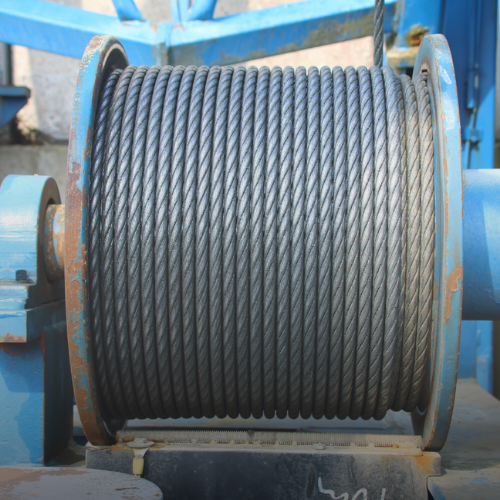
In wire ropes, fatigue occurs when individual wires repeatedly bend and straighten during operation. Every time a rope passes over a sheave, drum, or pulley, the wires experience stress. Over thousands or even millions of cycles, microscopic cracks begin to form within the wire structure.
Eventually, these cracks grow larger, causing individual wires to break. As more wires fail, the rope loses strength and becomes unsafe for continued use.
This is why fatigue resistance is considered one of the most important characteristics evaluated by a professional manufacturer of wire ropes in India during product development and testing.
Why Fatigue Resistance Is Critical in Heavy-Duty Applications
Heavy-duty applications expose wire ropes to continuous bending, vibration, and dynamic loading. Unlike static structural applications, these environments create constant stress fluctuations that accelerate fatigue damage.
Industries that depend heavily on fatigue-resistant ropes include:
- Construction
- Mining
- Offshore operations
- Ports and shipping
- Material handling
- Industrial lifting
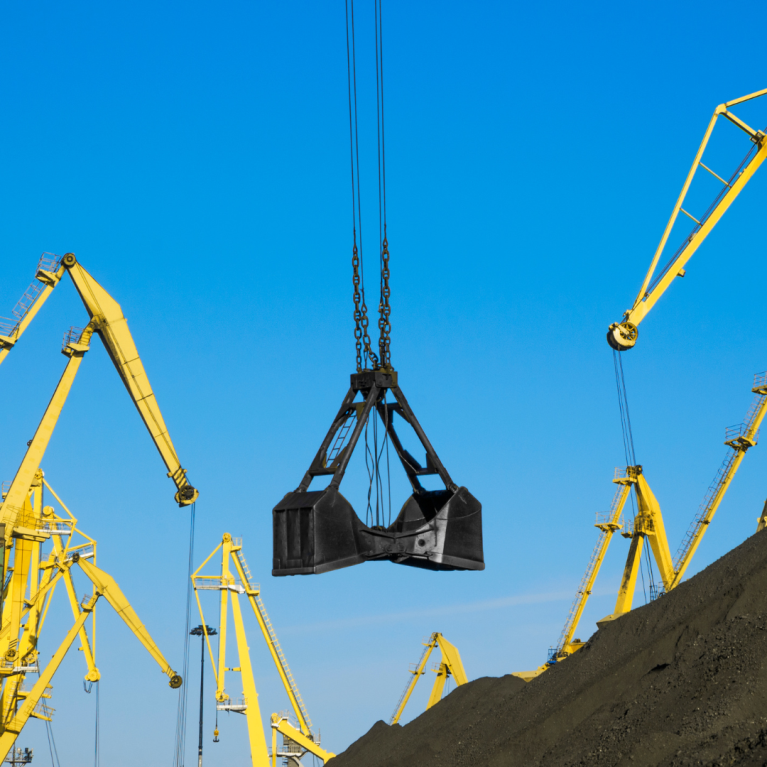
In these sectors, wire ropes may perform thousands of operating cycles every day.
Poor fatigue resistance can lead to:
- Premature rope replacement
- Increased maintenance costs
- Unexpected downtime
- Safety hazards
- Reduced operational efficiency
Choosing products from experienced steel wire rope manufacturers in India helps reduce these risks by ensuring ropes are designed specifically for fatigue-intensive environments.
How Fatigue Develops in Wire Ropes
Fatigue damage typically progresses through several stages.
Stage 1: Microscopic Stress Formation
Repeated bending creates localized stress concentrations within individual wires.
These stresses are often invisible during early operation.
Stage 2: Crack Initiation
Small cracks begin forming at areas of highest stress.
This process may continue for a significant period before becoming visible.
Stage 3: Crack Propagation
As operational cycles continue, cracks gradually grow larger.
The affected wires begin losing strength.
Stage 4: Wire Breakage
Eventually, individual wires fracture.
The number of broken wires increases over time.
Stage 5: Rope Failure
Once enough wires fail, the rope can no longer safely support the intended load.
Proper inspection and maintenance help identify fatigue damage before catastrophic failure occurs.
Factors That Influence Fatigue Resistance
Several factors determine how well a wire rope resists fatigue.
Rope Construction
Rope construction plays a major role in fatigue performance.
Constructions with more wires generally provide greater flexibility, allowing the rope to bend more easily and distribute stresses more evenly.
For example:
- 6×36 constructions typically offer better fatigue resistance.
- 6×19 constructions often provide higher abrasion resistance.
The ideal choice depends on the application’s operating conditions.
Wire Quality
The quality of the steel used significantly impacts fatigue life.
High-quality steel provides:
- Better ductility
- Improved toughness
- Enhanced crack resistance
A reliable manufacturer of wire ropes in India carefully controls raw material quality to maximize fatigue performance.
Core Type
Core selection influences rope flexibility and load distribution.
Common core options include:
Fiber Core (FC)
Provides:
- Better flexibility
- Improved shock absorption
- Enhanced fatigue performance
Independent Wire Rope Core (IWRC)
Offers:
- Higher strength
- Better crush resistance
- Improved dimensional stability
The choice depends on the application’s specific requirements.
Lubrication
Proper lubrication reduces friction between wires and strands.
Benefits include:
- Lower internal wear
- Reduced heat generation
- Improved fatigue life
Products such as General Engineering Wire Ropes often rely heavily on effective lubrication for long service life.
Industries Where Fatigue Resistance Is Most Important
Construction Industry
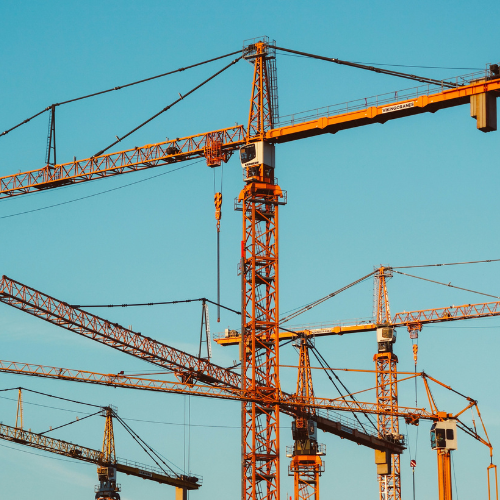
Construction cranes experience continuous lifting cycles throughout daily operations.
Products such as Crane Wire Ropes must withstand repeated bending while maintaining strength and safety.
Fatigue resistance directly influences operational reliability and maintenance intervals.
Mining Industry
Mining operations subject ropes to extreme loads and continuous movement.
Applications include:
- Hoisting systems
- Haulage systems
- Material transportation
Both Mining Wire Ropes and Haulage Wire Ropes require exceptional fatigue performance to withstand harsh operating conditions.
Marine and Offshore Industry
Marine operations involve constant motion due to waves, wind, and vessel movement.
These dynamic forces place significant fatigue stresses on wire ropes.
Specialized Marine and Fishing Wire Ropes are engineered to resist both fatigue and corrosion.
Oil and Gas Industry
Drilling and offshore operations require ropes capable of enduring continuous loading cycles.
Oil and Gas Wire Ropes must deliver reliable performance even under severe environmental conditions.
Signs of Fatigue Damage
Recognizing fatigue damage early helps prevent failures.
Common indicators include:
- Broken wires
- Surface cracking
- Diameter reduction
- Localized wear
- Increased rope stiffness
Regular inspection programs should focus on identifying these warning signs before they compromise safety.
How Manufacturers Improve Fatigue Resistance
Leading steel wire rope manufacturers in India use advanced engineering techniques to enhance fatigue performance.
Optimized Wire Design
Manufacturers carefully design wire geometry to reduce stress concentrations.
Precision Stranding
Accurate strand formation ensures even load distribution.
Advanced Lubrication
High-quality lubricants minimize internal friction.
Controlled Manufacturing Processes
Strict quality control ensures consistent performance across every production batch.
Rigorous Testing
Fatigue testing helps verify rope durability under simulated operating conditions.
The Cost Impact of Poor Fatigue Resistance
Choosing a rope with inadequate fatigue performance may appear cost-effective initially, but often leads to higher long-term expenses.
Potential costs include:
- Frequent replacements
- Increased maintenance
- Equipment downtime
- Production losses
- Safety incidents
Investing in fatigue-resistant ropes from a trusted manufacturer of wire ropes in India often reduces the total cost of ownership over the rope’s lifecycle.
Quality Assurance and Fatigue Performance
Fatigue resistance begins with manufacturing quality.
Comprehensive quality systems ensure that every rope meets performance requirements before reaching the customer.
Learn more through:
These systems help ensure consistency, reliability, and long-term durability.
Conclusion
Fatigue resistance is one of the most critical performance characteristics in heavy-duty wire ropes. While factors such as strength and abrasion resistance are important, fatigue often determines the actual service life of a rope in dynamic industrial applications.
A trusted manufacturer of wire ropes in India understands the importance of fatigue performance and incorporates advanced engineering, high-quality materials, and rigorous testing into every stage of production. By selecting ropes designed for superior fatigue resistance, industries can improve safety, reduce maintenance costs, and maximize operational efficiency.
As one of the leading steel wire rope manufacturers in India, Bedmutha continues to provide high-performance wire rope solutions engineered for long-term reliability across critical industries.
Explore Bedmutha’s advanced wire rope solutions:
Choose wire ropes engineered for superior fatigue resistance, longer service life, and reliable performance in the most demanding industrial applications.
Frequently Asked Questions (FAQs)
What is fatigue resistance in a wire rope?
Fatigue resistance refers to a wire rope’s ability to withstand repeated bending and loading cycles without developing cracks or wire breakage. It is one of the most important factors affecting rope service life, especially in dynamic applications such as cranes, mining systems, and offshore operations.
Why do wire ropes fail due to fatigue?
Wire ropes fail due to fatigue when repeated stress cycles create microscopic cracks in individual wires. Over time, these cracks grow larger, causing wire breakage and reducing overall rope strength. Without proper inspection and maintenance, fatigue damage can eventually lead to rope failure.
Which industries require high-fatigue-resistant wire ropes?
Industries such as construction, mining, marine, oil & gas, and material handling depend heavily on fatigue-resistant ropes. These applications involve constant bending and dynamic loading, making fatigue performance essential for safety and reliability.
How can fatigue life be improved?
Fatigue life can be improved by selecting the correct rope construction, maintaining proper lubrication, ensuring correct sheave sizes, avoiding overloads, and conducting regular inspections. Working with experienced manufacturers also helps ensure optimal rope selection.
How do manufacturers test fatigue resistance?
Manufacturers perform specialized fatigue tests that simulate repeated operational cycles. These tests evaluate how well a rope withstands continuous bending and loading, helping verify long-term durability and performance.