In industrial, infrastructure, marine, mining and construction applications, the terms wire rope and cable are often used interchangeably. From an engineering standpoint, however, they are not the same thing. This short guide settles the difference clearly, with examples from the Bedmutha wire ropes range.
For engineers, procurement managers, and project planners working with a reliable Wire rope manufacturer in India, this distinction directly affects safety, service life, regulatory compliance, and total cost of ownership. This comprehensive guide explains the fundamental differences between wire ropes and cables, their construction, applications, advantages, limitations, and how to choose the right product for your industry.
Understanding the Basics: What Is a Wire Rope?
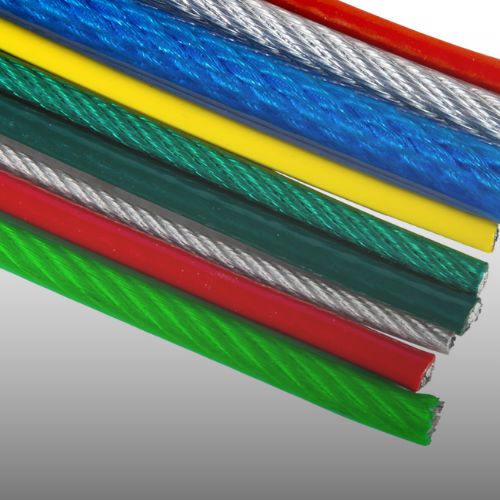
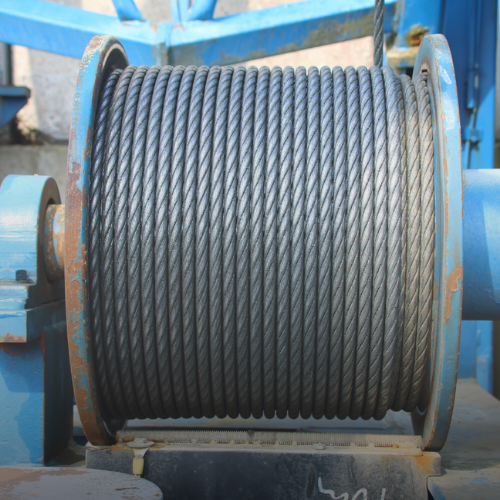
A wire rope is a complex mechanical structure designed to handle high loads, repeated bending, and demanding operating conditions. It is manufactured by helically winding multiple steel wires into strands, which are then helically laid around a core.
Key Characteristics of Wire Ropes
- Made from multiple steel wires
- Wires are twisted into strands
- Strands are laid around a core (fiber core, wire strand core, or independent wire rope core)
- Designed for high strength, flexibility, and fatigue resistance
Wire ropes are engineered products manufactured under strict quality controls by an experienced Wire rope manufacturer in India, ensuring consistent performance in safety-critical applications.
To explore different constructions and applications, visit the Wire Ropes section.
What Is a Cable?
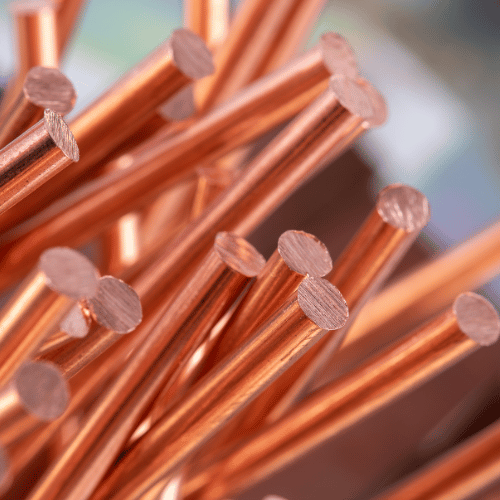
A cable is generally a simpler construction compared to a wire rope. It usually consists of a small number of wires twisted together in a single helix or bundled in parallel. Cables are often designed for electrical, control, or light mechanical applications rather than heavy load-bearing.
Key Characteristics of Cables
- Fewer wires compared to wire ropes
- Simple twisting or bundling
- Lower load-bearing capacity
- Limited resistance to fatigue and abrasion
Cables are widely used in electrical systems, communication networks, and light-duty mechanical applications, but they are not typically suitable for heavy lifting or dynamic industrial environments.
Wire Rope vs Cable: Construction Differences Explained
The most fundamental difference between a wire rope and a cable lies in how each is engineered. This difference directly influences strength, durability, flexibility, safety, and lifecycle cost.
Wire Rope Construction – Engineered for Heavy Duty Use
Wire rope construction is a multi-stage, precision-controlled manufacturing process. Individual steel wires are first drawn to exact diameters and tensile properties. These wires are then helically wound to form strands. Multiple strands are subsequently laid around a core to form the final wire rope.
Key elements of wire rope construction include:
- Multiple load paths: Load is distributed across several wires and strands
- Core support: The core maintains rope shape and absorbs internal stresses
- Optimized lay patterns: Enhance flexibility and fatigue resistance
- Lubrication during manufacture: Reduces internal friction and corrosion
This sophisticated design enables wire ropes produced by a professional Wire rope manufacturer in India to withstand extreme loads, repeated bending, and harsh operating environments.
Cable Construction – Simpler and Limited
Cables typically consist of fewer wires twisted together in a single helix or bundled configuration. They lack a central core and multi-strand layering, which limits their ability to distribute stress evenly.
As a result:
- Stress is concentrated on fewer wires
- Fatigue resistance is significantly lower
- Abrasion and wear occur faster
- Failure tends to be sudden rather than progressive
This makes cables unsuitable for safety-critical or high-load industrial applications.
Load-Bearing Capacity: Why Wire Ropes Are Stronger
Load-bearing capacity is one of the most important performance parameters when comparing wire ropes and cables.
How Wire Ropes Handle Heavy Loads
Wire ropes are designed to carry extremely high tensile loads safely. Their multi-strand construction allows stress to be shared across numerous wires, significantly reducing localized stress concentration. This design also provides redundancy—if individual wires fail, the rope can continue to function temporarily, providing visible warning signs.
Because of this, industries such as:
rely exclusively on products supplied by a certified Wire rope manufacturer in India.
Why Cables Fall Short
Cables lack the structural complexity required for high load-bearing applications. Their limited number of wires means that once fatigue or corrosion begins, failure can occur rapidly and without warning. Using cables in place of wire ropes can significantly increase safety risks.


Flexibility and Fatigue Resistance
Flexibility and fatigue resistance are critical in applications involving repeated bending over sheaves, pulleys, or drums.
Wire Ropes – Designed for Repeated Motion
Wire ropes are engineered to flex repeatedly without compromising structural integrity. Their construction minimizes internal friction and distributes bending stress across multiple wires.
This makes them ideal for dynamic applications such as:
Leading steel wire rope manufacturer in India facilities design specific constructions to maximize fatigue life under cyclic loading.
Cables – Limited Flex Life
Cables are not intended for continuous bending. Repeated flexing leads to early wire breakage and rapid performance degradation, making them unsuitable for dynamic lifting or transport systems.
Application-Based Comparison: Where Each Is Used
Applications of Wire Ropes
Wire ropes are used in demanding industrial environments, including:
- Mining and haulage systems – Haulage Wire Ropes
- Aerial ropeways and cable cars – Aerial Wire Ropes
- Suspension bridges – Suspension Bridge Wire Ropes
- Offshore and energy operations – Oil and Gas Wire Ropes
- Marine and fishing operations – Marine and Fishing Wire Ropes
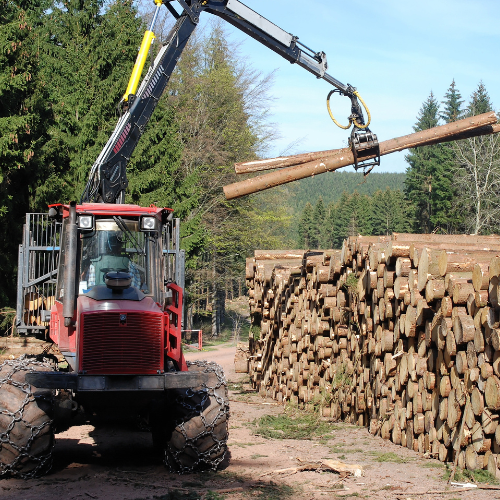
- Forestry and logging – Forestry Wire Ropes
- General engineering – General Engineering Wire Ropes
Applications of Cables
Cables are typically used in:
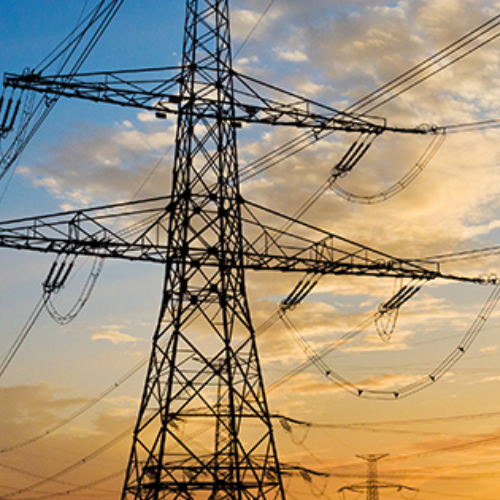
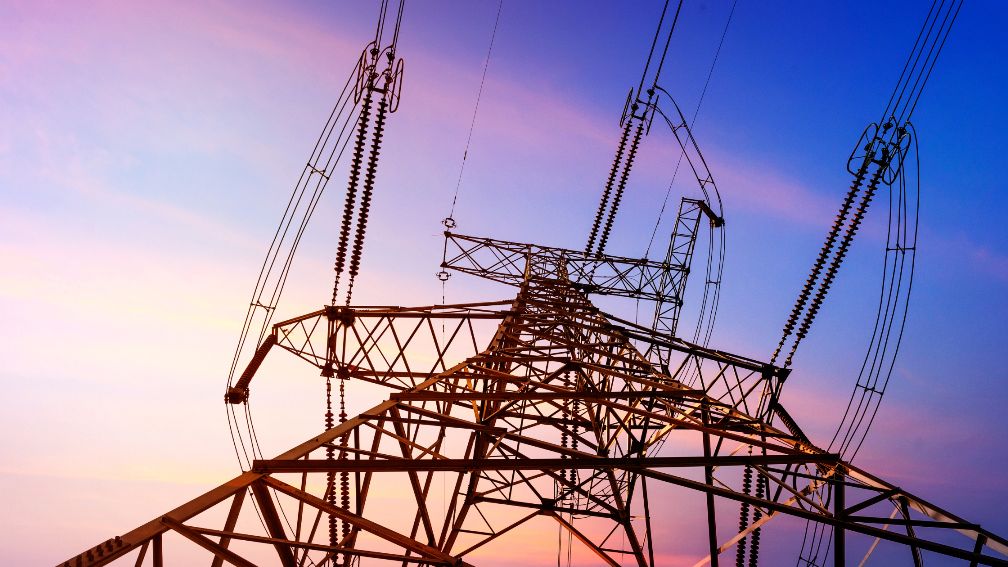
- Electrical power transmission
- Control and instrumentation systems
- Light-duty mechanical applications
- Temporary tie-downs
They are not intended for high-load or safety-critical industrial applications.
Safety Considerations: Wire Rope vs Cable
Safety is one of the most critical differentiators between wire ropes and cables.
Wire ropes are manufactured, tested, and certified by a professional steel wire rope manufacturer in India to meet strict safety and performance standards. They undergo rigorous testing for breaking load, fatigue resistance, and dimensional accuracy.
Cables generally do not meet the same safety standards required for lifting or load-bearing operations.
For safety-critical applications, always choose certified wire ropes supported by a documented Quality Assurance System and verified Certificates.
Service Life and Maintenance
Service life is a critical factor when evaluating wire ropes versus cables, especially in industries where downtime is costly.
Wire Rope Service Life
Wire ropes, when sourced from a reliable Wire rope manufacturer in India and maintained correctly, offer long service life even in harsh conditions. Progressive wear patterns such as broken outer wires provide visible warning signs before failure, allowing planned replacement.
Regular inspection, lubrication, and correct installation significantly extend wire rope lifespan.
Cable Service Life
Cables generally have shorter service life in mechanical applications. Their limited fatigue resistance and lack of structural redundancy often lead to sudden failure, increasing safety risks and maintenance costs.
Cost Considerations: Initial Cost vs Lifecycle Cost
While cables may appear cheaper initially, they often result in higher lifecycle costs due to frequent replacements and downtime.
Wire ropes may have a higher upfront cost, but their durability, safety, and longer service life make them more cost-effective in the long run—especially when sourced from an experienced Wire rope manufacturer in India.
How to Choose Between a Wire Rope and a Cable
Ask the following questions:
- Is the application load-bearing or safety-critical?
- Will the product experience repeated bending or dynamic loading?
- Is long service life required?
- Are regulatory standards applicable?
If the answer to any of these is yes, a wire rope is the correct choice.
Explore application-matched solutions on the Our Products page.
Role of a Certified Wire Rope Manufacturer
Choosing a reputable Wire rope manufacturer in India ensures:
- Compliance with national and international standards
- Consistent product quality
- Application-specific engineering support
- Reliable after-sales assistance
Established steel wire rope manufacturer in India facilities invest heavily in technology, testing, and quality systems to meet industrial demands.
Learn more about quality processes on the Quality Assurance System page.
Conclusion
While the terms wire rope and cable are often used interchangeably, they serve very different purposes. Wire ropes are engineered for strength, safety, and durability in demanding industrial environments, while cables are suited for lighter-duty applications.
For critical operations, partnering with a reliable Wire rope manufacturer in India and sourcing products from established steel wire rope manufacturer in India facilities ensures safety, performance, and long-term value.
To select the right solution for your application:
- Explore engineered solutions on the Wire Ropes page
- Review certified manufacturing practices on the Certificates page
- Browse the complete portfolio on Our Products
- Stay informed with expert insights from Blogs
For technical guidance and product selection support, connect with Bedmutha’s expert team today.
Frequently Asked Questions (FAQs)
Is a wire rope stronger than a cable?
Yes. Wire ropes are significantly stronger and designed for high-load, dynamic applications.
Can a cable be used instead of a wire rope?
Cables should not be used as replacements for wire ropes in lifting or load-bearing applications.
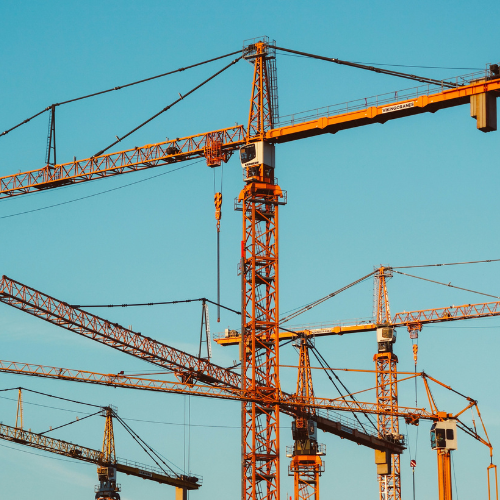
Why are wire ropes used in cranes and elevators?
Because they offer high strength, flexibility, and fatigue resistance required for dynamic operations.
How do I select the right wire rope?
Selection depends on load, environment, bending frequency, and application. Consulting a professional Wire rope manufacturer in India is recommended.
Where can I learn more about wire rope applications?
Visit the Blogs section for technical insights and guides.